Used Ergonomic Office Chair vs New Budget Chair: What Should You Buy?
Compare a used ergonomic chair with a new budget chair. Check fit, mechanisms, condition, returns and total cost before you buy.
A low price does not tell you whether a chair will fit your body or survive daily use. If your budget is limited, the real choice may be between a used adjustable office chair and a new entry-level model. The used chair may offer more adjustments, but its condition is uncertain. The new chair may be easier to return, but its fixed features might not suit your desk. This guide gives you a way to compare them without relying on a brand name, a star rating or a claimed “ergonomic” label.
Start With Fit, Not the Discount
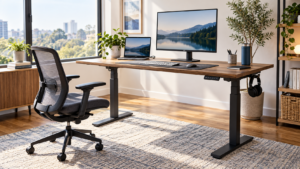
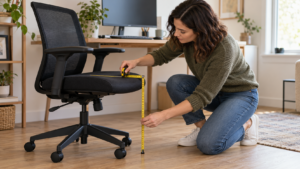
Sit at your actual desk, or measure it before shopping. Note the desktop height, the space beneath it, and whether your feet reach the floor when your elbows can work near the keyboard. The OSHA workstation evaluation checklist asks whether a chair supports the back, allows feet to rest on the floor or a footrest, and keeps the user close enough to the work surface. Those are more useful questions than whether a listing calls the chair premium.
Try the seat for more than a few seconds if you can. With your back against the backrest, the seat front should not press into the backs of your knees. You should be able to reach the keyboard without lifting your shoulders or stretching your arms forward. Armrests can help when correctly positioned, but fixed arms that stop the chair from sliding beneath your desk may be a disadvantage. A headrest is optional; a stable seat, suitable depth and usable back support matter first.
What a Used Chair Can Do Better
A well-kept secondhand chair can offer adjustable seat depth, lumbar position, armrests and recline that may be absent from a new low-cost model. These controls are only valuable if they work and have enough range for you. Ask for the exact model and its adjustment guide. Check whether replacement parts are available, because a worn gas lift or broken arm mechanism can erase the apparent savings.
The main advantage of a local used listing is that you may be able to test the chair. Set the seat to your working height. Change the backrest and armrests. Sit, stand and move the chair across the kind of floor you use at home. A seller's photographs cannot tell you whether the recline holds, the cylinder sinks or the chair rocks unexpectedly. If an in-person test is not possible, ask for a short video showing the adjustment controls under load and confirm the return terms in writing.
A Five-Minute Inspection Before You Pay
- Base and casters: Look for cracks around the legs and caster sockets. Roll the chair and make sure every wheel turns and remains seated.
- Height cylinder: Raise the chair, sit for several minutes and check for slow sinking. Repeat after standing up.
- Recline and lock: Try each setting gently. The back should move as designed and hold its chosen position without a sudden drop.
- Seat and back: Inspect foam compression, sagging mesh, torn seams and hard edges. A cushion can change comfort but cannot repair a damaged frame.
- Armrests: Check looseness, height and width adjustment, and whether they collide with your desk.
- Hygiene and history: Ask about smoke, pets, storage, cleaning and any missing hardware. Inspect under the seat rather than judging only the upholstery visible in the listing.
Do not disassemble a gas cylinder or attempt an improvised structural repair. If a base, frame or lift is damaged, pass on the chair. The OSHA chair guidance emphasizes a stable five-leg base, supportive seat and backrest, and adjustments that fit the user. A feature-rich chair that fails those basics is a poor bargain.
When a New Budget Chair Is the Safer Purchase
A new chair can make sense when you cannot inspect a used one, need delivery, or value a straightforward return window. You can compare published dimensions and assembly instructions before spending money. Check the manufacturer's warranty terms for the exact model and seller; do not assume that every part is covered equally. The cost of return shipping and disassembly can matter with bulky furniture.
The limitation is fit. Some inexpensive chairs advertise many features but have a fixed seat depth, narrow adjustment range or armrests that cannot be moved out of the way. Read the dimension diagram and check whether your body and desk fall inside that range. The OSHA purchasing checklist recommends trying a chair for comfort and fit before purchase when possible. If buying online, a clear return policy is your substitute for that trial.
Our guide to ergonomic chairs under $300 is a starting point for comparing new options. It is not a reason to choose a chair that does not fit. Specifications, prices and seller terms change, so verify the live listing before ordering.
Compare Total Cost, Not Just the Listing Price
For a used chair, add pickup or delivery, cleaning supplies, any replacement parts and the time needed to inspect it. For a new one, add shipping, taxes, assembly costs and any return fee. Then compare what you actually receive: working adjustments, a stable base, a comfortable fit and a realistic way to return or repair the chair.
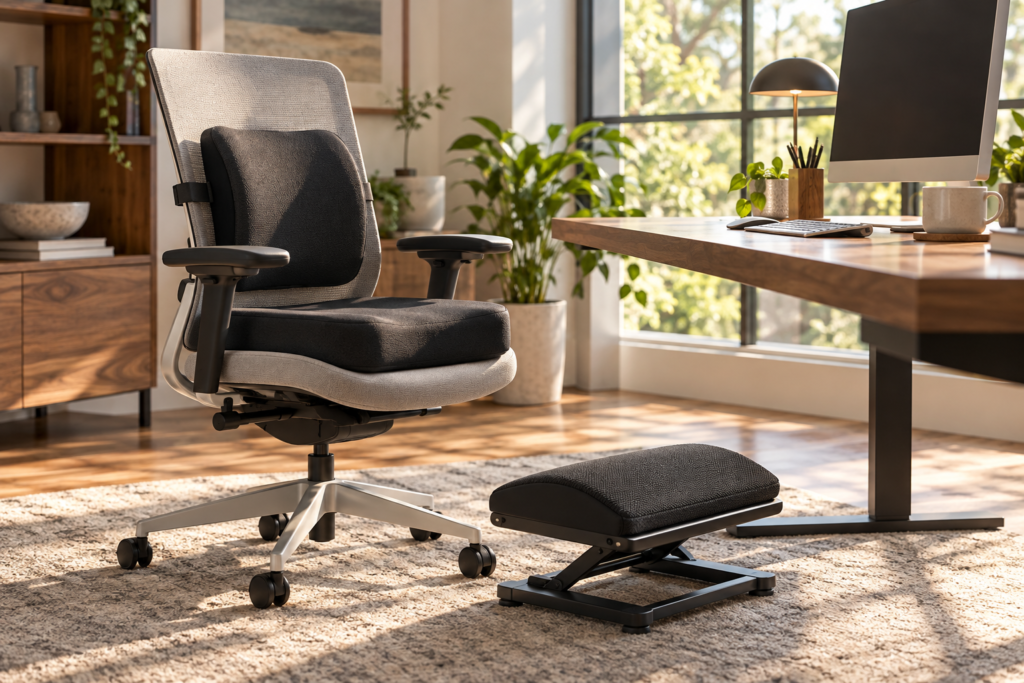
There is a third option if your current chair is structurally sound: change the setup before replacing the chair. A footrest, desk-height correction or different monitor placement may solve a mismatch more cheaply. Our chair comfort troubleshooting guide walks through those checks. Accessories cannot make a broken chair safe, but they can prevent an unnecessary replacement.
A Simple Decision Rule
Choose a used chair when you can verify the model, inspect the mechanism in person, and confirm that its adjustments fit your desk and body. Choose a new budget chair when predictable delivery and returns matter more, and its measured fit is good enough. Keep your current chair if the problem comes from the surrounding workstation and its structure is sound. Walk away from any chair with a cracked base, unstable lift, missing critical hardware or unexplained movement.
FAQ
Is a used premium chair always better than a new budget chair?
No. Condition, fit and support options matter more than the original price. A damaged or poorly fitting used chair can be worse value than a simple new chair that fits and can be returned.
Can a seat cushion fix a chair that is too deep?
A cushion may change the sitting position, but it can also reduce usable seat space or change back support. Test the whole setup. If your back cannot reach the backrest without pressure behind your knees, look for a chair with a suitable seat depth instead.
How should I decide between two chairs at the same price?
Prioritize stable construction and your actual fit. Then compare the working adjustment range, condition, warranty or return window, and total delivered cost. Ignore unverified claims that one chair will prevent pain or improve productivity.
Sources and Editorial Disclosure
This is an editorial comparison based on published workstation guidance, not a hands-on test of a specific used listing or new model. See the OSHA workstation checklist, chair component guidance and purchasing checklist. This article contains no direct affiliate product links. Some linked buying guides may contain affiliate links and disclose that on their pages.
CTA
Measure your desk and seated position, then use the inspection checklist before making an offer or placing an order. If you prefer a new chair, compare the current specifications and return terms in our under-$300 chair guide.
About The Author